

As an indispensable component of outdoor products, functionality has become the guiding principle of outdoor zipper design. Zippers are an indispensable part of outdoor equipment. Without zippers, even professional outdoor equipment will lose its protection and convenience in harsh outdoor conditions.
There are various kinds of outdoor zippers that provide numerous services for a variety of outdoor experiences. Based on the material, outdoor zippers can be split into three types: nylon zippers, plastic zippers, and metal zippers.
For instance, plastic zippers are good for humid environments as they have good corrosion resistance. Metal zippers are heavier and their strength is higher than that of plastic or nylon zippers, so they are popular for heavy outdoor equipment. In addition, based on the way a zipper functions, there are waterproof zippers, self-locking zippers, etc., that are adding value and improving your outdoor experience.
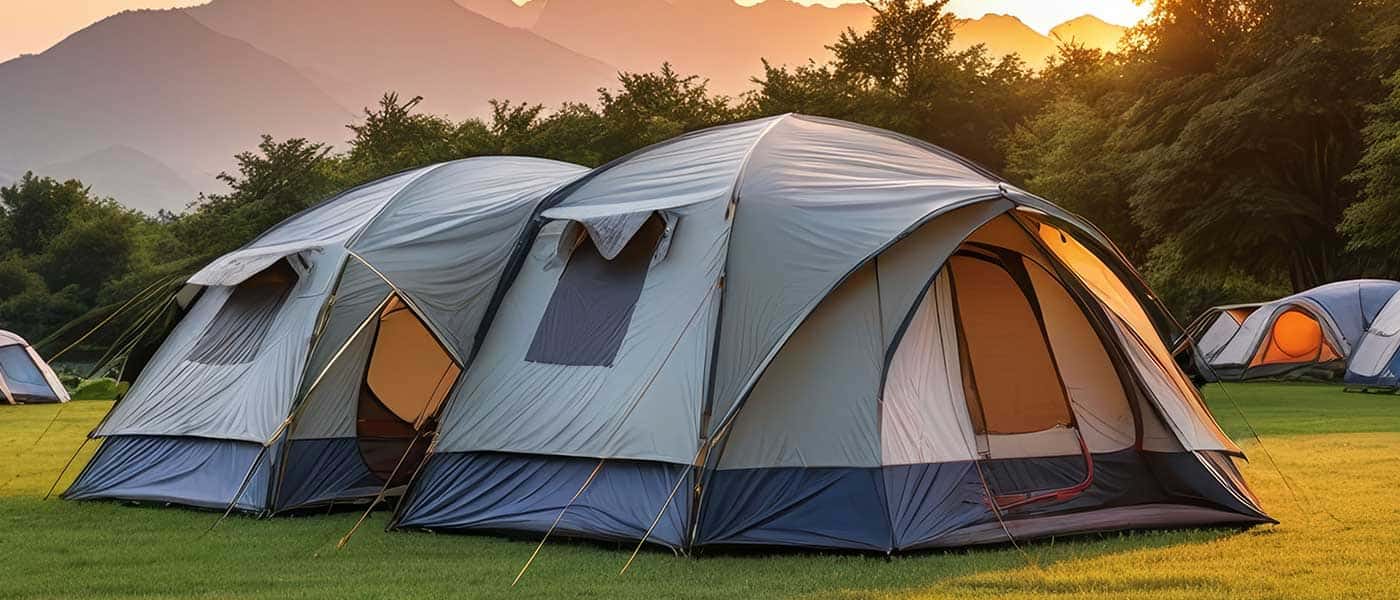
Zippers are a functional and durable element outdoors, and waterproof zippers are designed to be impermeable to water at the stitches, raincoats, tents, and other types of outdoor wear. Waterproof zippers have a coating or are rubberized and are watertight when the zipper is completely closed.
Self-locking zippers lock in place after being zipped and are not easily opened by accidental unzipping. This is a great option for backpacks, sleeping bags, and gear that require a tamper-proof, safety-conscious, water-resistant, and dust-resistant closure for outdoor adventures into extreme environments.
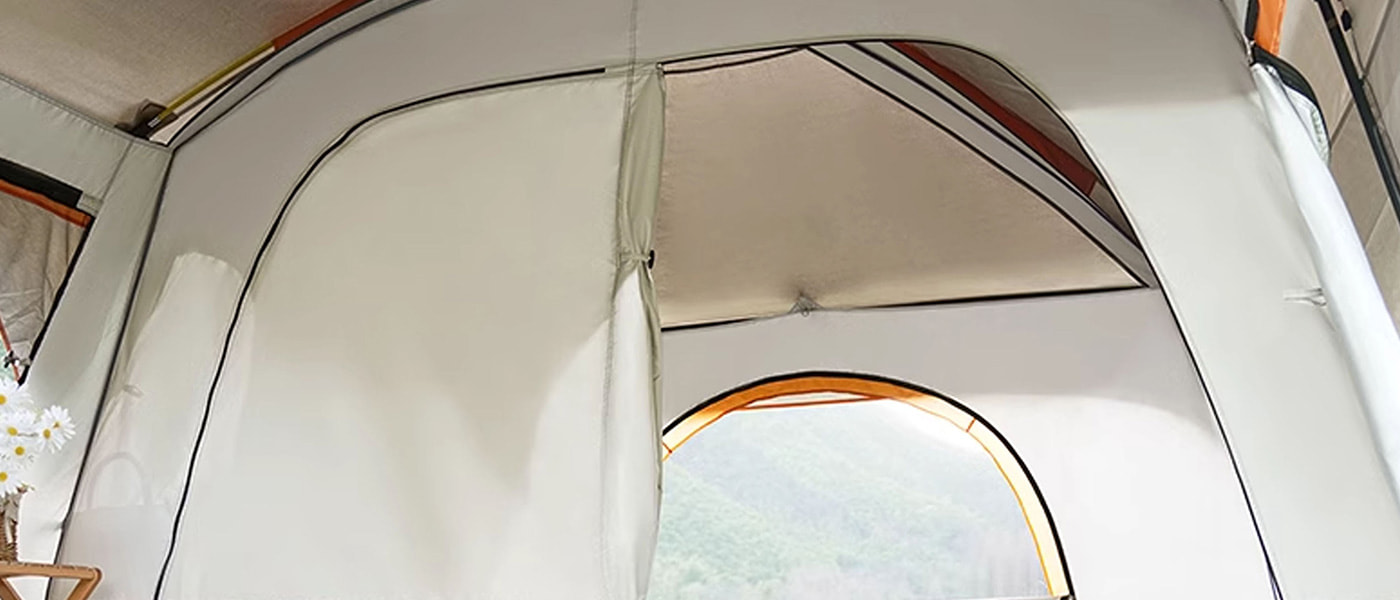
Several critical requirements regarding design and performance must be met for outdoor zippers to be effective in extreme conditions. The foremost requirement is durability. Zippers need to maintain functionality and endure frequent and rough use, as well as exposure to wet and extreme weather environments.
Outdoor zippers should also maintain sealing performance. The sealing performance is at the heart of waterproof zippers that can provide a fully sealed, watertight, and airtight seal to protect gear from moisture. Zipper operation should also be smooth and easy to operate (close and unclose). Users should be able to zip and unzip a zipper effortlessly, even in cold or wet conditions.
Finally, environmental protection and sustainable development are also very important. People are paying more and more attention to reducing waste through means such as recycling materials, using environmentally friendly materials, and environmentally friendly processing. Zippers that meet sustainable and durable standards help reduce waste and provide satisfactory functional zippers for the growing sustainable outdoor equipment and clothing market.
QUICK LINKS