Zippers are one of those inventions you probably take for granted. From jackets and jeans to backpacks and tents, zippers are everywhere — yet most of us rarely stop to think about how they actually work. They seem simple, but there’s a clever combination of design, physics, and engineering behind every smooth zip. In this post, we’ll break down how a zipper works, explore its components, and reveal why this everyday fastener has stood the test of time.

Before understanding the mechanics, it’s worth knowing a little history. The modern zipper evolved from earlier fastening devices like hooks, buttons, and clasps.
The zipper’s success lies in its simplicity, durability, and speed, making it far more convenient than buttons or hooks.
To understand how a zipper works, you first need to know its key parts:
At its core, a zipper is a simple mechanical device that uses interlocking teeth and a slider to fasten two pieces of fabric. Here’s the step-by-step process:
The teeth on each side of the zipper are shaped to fit perfectly together. When aligned correctly, the teeth interlock, creating a strong, continuous closure.
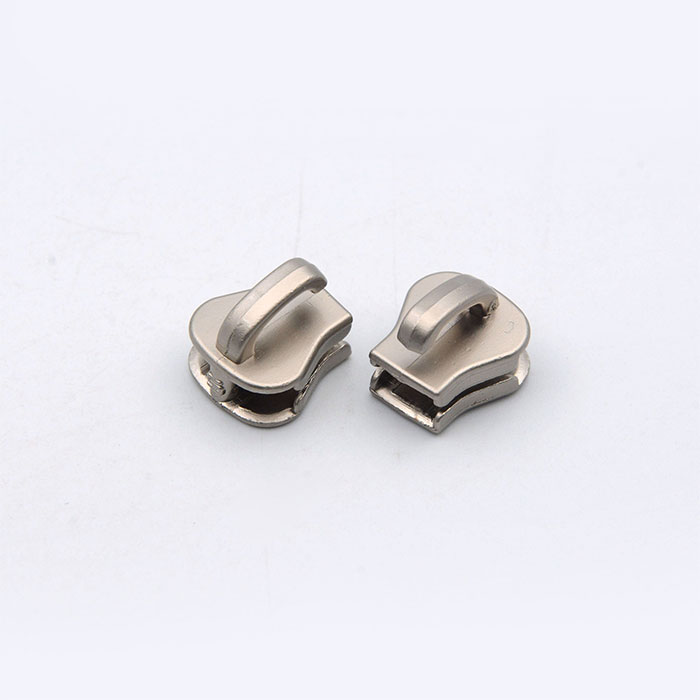
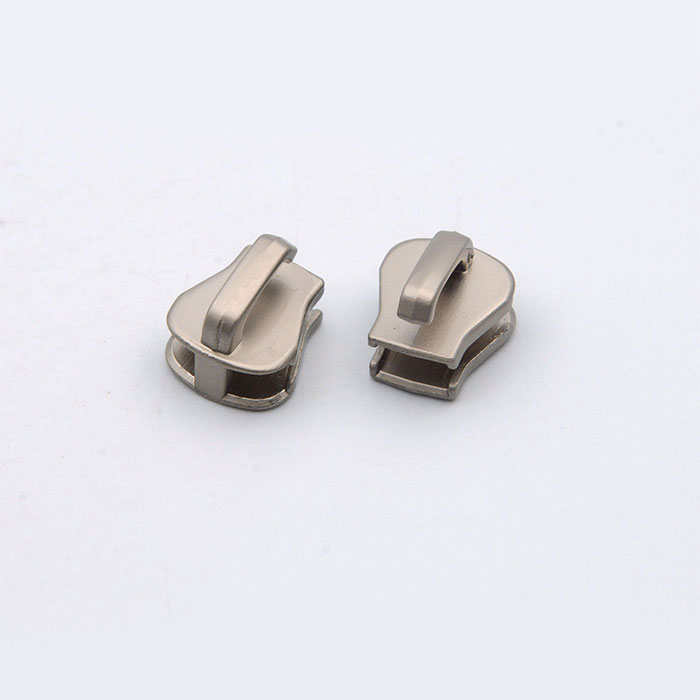
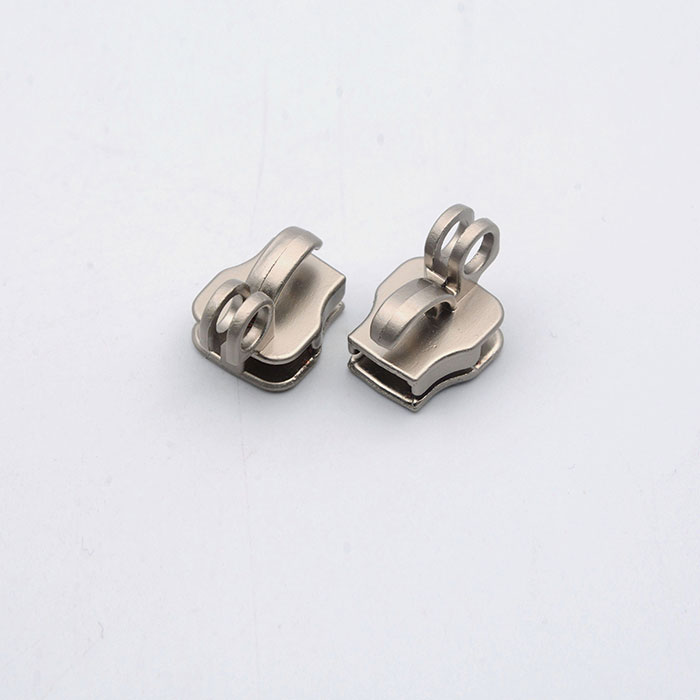
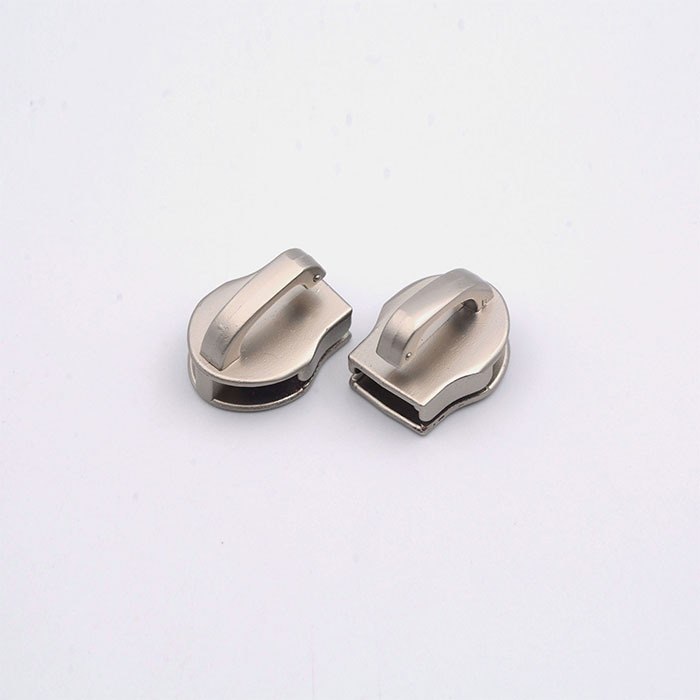
The slider is the heart of the zipper. It has a Y-shaped channel inside:
This simple design allows a zipper to operate smoothly and reliably with minimal force.
A zipper works because of precision engineering. The teeth must fit perfectly, and the slider must exert just enough pressure to lock them together without jamming.
The strength of the closure comes from mechanical interlocking, not adhesive or fasteners. This makes zippers durable and resistant to accidental openings.
Zippers are more than just clever — they’re highly practical for several reasons:
Not all zippers are the same. Their design depends on the intended use:
Each type uses the same basic principle of interlocking teeth guided by a slider but is tailored to specific functional needs.
Even though zippers are reliable, they can fail. Understanding how they fail helps explain the importance of proper maintenance:
Fixing zippers often involves replacing the slider, pull tab, or stops — all possible with simple tools and materials.
Beyond clothing, zippers have fascinating applications:
Zippers are versatile, strong, and surprisingly elegant in their simplicity.
Keeping zippers in good condition ensures smooth operation and longevity:
Even a simple understanding of the mechanics can prevent frustrating failures.
Zippers are deceptively simple. Behind every smooth zip is a combination of precision engineering, clever design, and everyday physics. By understanding how a zipper works — from the teeth to the slider to the stops — you can appreciate why this humble fastener is such a crucial part of daily life. Whether you’re fixing a stuck zipper, choosing a new coat, or just curious about everyday inventions, the science of zippers reminds us that even the simplest tools can be marvels of engineering.

Wooshi Zipper showed our high-quality products, including resin zippers with different tooth designs, bright and smooth metal zippers, explosion-proof double-layer nylon zippers, and various innovative zinc alloy zippers, at the Milan LINEAPELLE Exhibition.
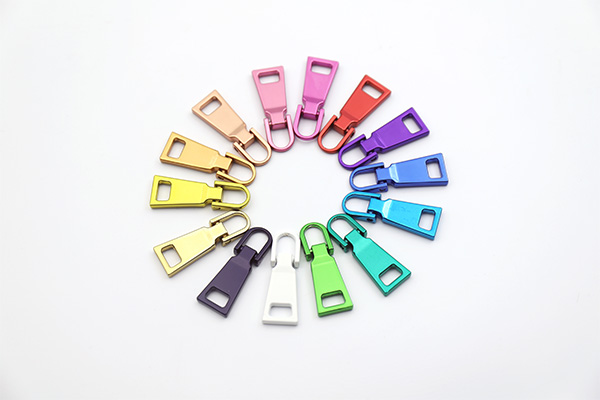
With the continuous development and progress of fashion, rich colors have been widely used in clothing, bags and other aspects. This visual sense of layering and flow can make clothing/bags more lively and interesting, and give them more creativity and possibilities. In order to better serve customers, Wooshi Zipper’s colorful coating slider came into being.
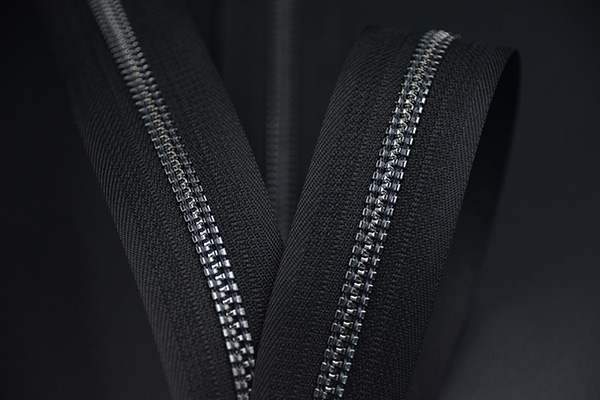
Reinforced zipper is an emerging high-tech zipper. It combines the advantages of nylon zipper, plastic zipper and metal zipper. It is beautiful and durable. It fills the gap of new zipper varieties in my country and is suitable for luggage, clothing, outdoor sports and other fields.
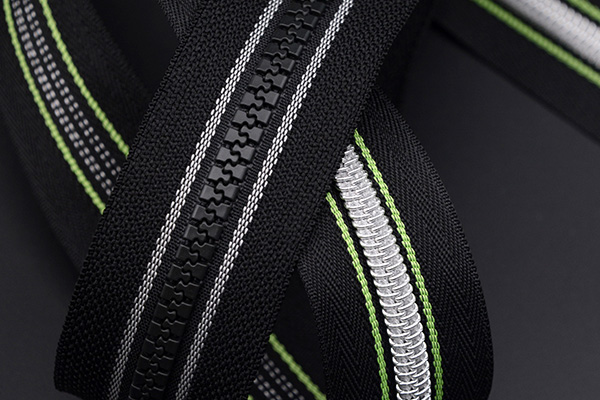
The luminous zippers produced by our company cover three series: nylon luminous zippers, metal luminous zippers, and plastic luminous zippers.
QUICK LINKS