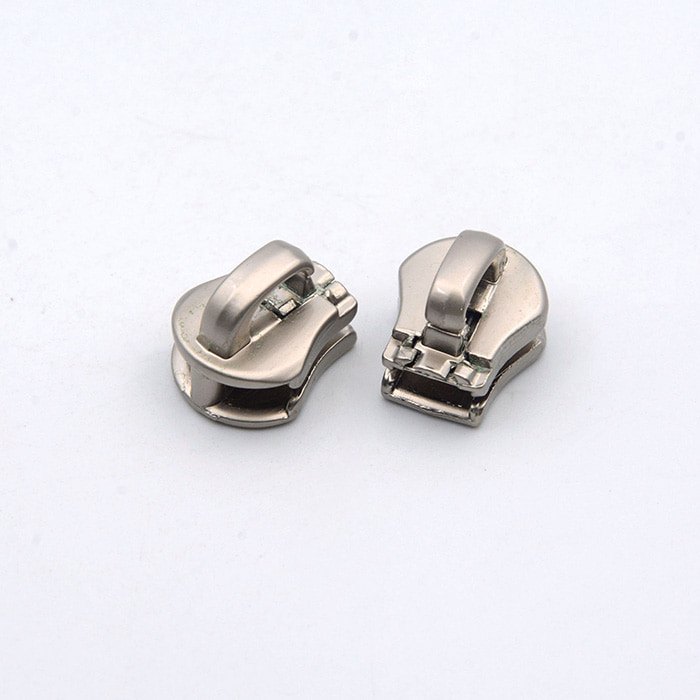
A zipper may seem like a simple fastener, but anyone who has struggled with a sticky, jammed, or slow-moving zipper knows how frustrating it can be. Whether it’s on a favorite jacket, a backpack, or a tent, a poorly functioning zipper can make everyday tasks unnecessarily difficult. Fortunately, with a little understanding and some basic care, most zipper issues can be resolved at home, saving you time, money, and frustration.
Zippers typically become difficult to use due to a combination of debris, friction, or mechanical wear. Over time, lint, dust, and other particles accumulate between the teeth, preventing smooth movement. Metal zippers may also develop corrosion or rust if exposed to moisture, which adds friction and can weaken the metal. Even fabric that gets caught in the teeth can halt the slider in its tracks. Additionally, sliders themselves can loosen over time, failing to grip the teeth properly and causing the zipper to separate or get stuck. Understanding these underlying causes is key to applying effective fixes.
The first step to improving zipper function is a thorough cleaning. Small particles lodged in the teeth can block the slider and increase resistance. Cleaning can be done gently using a soft brush to remove debris along the length of the zipper. For more stubborn dirt, lightly dampening a cloth with mild soap and water and running it along the teeth can help loosen buildup. After cleaning, it’s important to dry the zipper completely to prevent moisture-related issues, especially on metal zippers. A clean zipper creates a foundation for smooth operation and reduces the likelihood of jams.
Once clean, many zippers benefit from a light application of lubricant. Lubrication reduces friction between the slider and the teeth, allowing the zipper to glide effortlessly. Household items such as graphite from a pencil or a small amount of candle wax can be rubbed along the teeth to provide a temporary, effective solution. For metal zippers, a small dab of petroleum jelly or lip balm can work as a lubricant, while silicone-based products are particularly useful for outdoor gear and heavy-duty applications. Moving the slider slowly after applying lubricant helps distribute it evenly along the teeth, improving overall performance.
Sometimes, the zipper may stick simply because the teeth are misaligned or the slider has loosened. Inspecting the zipper carefully often reveals bent teeth that need to be gently repositioned. Using a pair of needle-nose pliers, you can carefully straighten any misaligned teeth. Similarly, if the slider is too loose to properly engage the teeth, gently pinching it with pliers can restore the necessary grip. Making these adjustments ensures that the zipper closes fully and moves smoothly without catching on fabric or skipping teeth.
Maintaining a zipper is not just about fixing issues after they occur; it’s also about preventing them. Regular cleaning, light lubrication, and gentle handling can dramatically extend the life of any zipper. Avoid forcing the slider when it gets stuck, and take care not to overstuff bags or jackets, which can strain the zipper. For metal zippers, keeping them dry and occasionally applying a protective layer of wax or graphite helps prevent rust. Taking these small, consistent steps ensures your zippers remain functional and reliable for years.
If your zipper is temporarily stuck and you need a fast solution:
These tricks help in a pinch, but regular maintenance prevents emergencies altogether.
Even with proper care, zippers don’t last forever. Consider replacement if:
Replacing a zipper is often a simple, inexpensive fix that restores full functionality.
Zippers may be a simple invention, but they play an essential role in everyday life. With regular maintenance and careful handling, even older or frequently used zippers can operate like new. By understanding the causes of friction, cleaning the teeth, lubricating properly, and adjusting misaligned parts, you can restore a sticky or slow zipper and keep it working smoothly. A little preventive care goes a long way, saving you from frustration and ensuring that your clothes, bags, and gear remain fully functional.

Wooshi Zipper showed our high-quality products, including resin zippers with different tooth designs, bright and smooth metal zippers, explosion-proof double-layer nylon zippers, and various innovative zinc alloy zippers, at the Milan LINEAPELLE Exhibition.
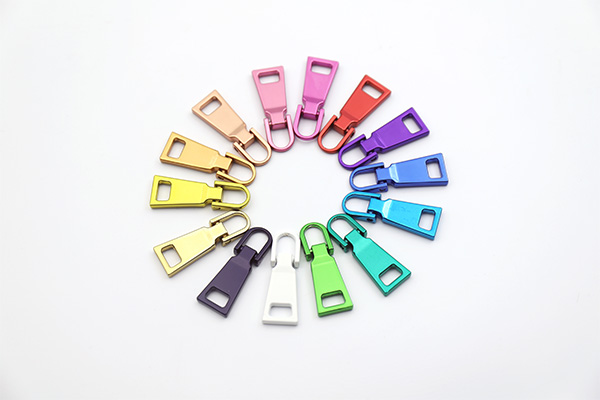
With the continuous development and progress of fashion, rich colors have been widely used in clothing, bags and other aspects. This visual sense of layering and flow can make clothing/bags more lively and interesting, and give them more creativity and possibilities. In order to better serve customers, Wooshi Zipper’s colorful coating slider came into being.
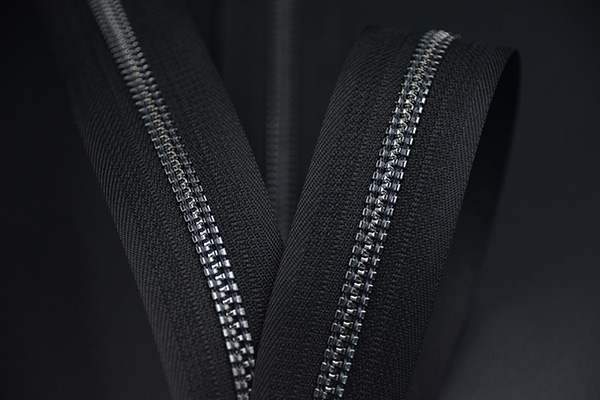
Reinforced zipper is an emerging high-tech zipper. It combines the advantages of nylon zipper, plastic zipper and metal zipper. It is beautiful and durable. It fills the gap of new zipper varieties in my country and is suitable for luggage, clothing, outdoor sports and other fields.
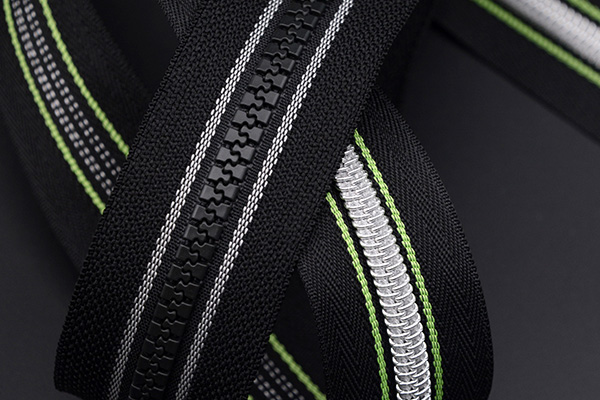
The luminous zippers produced by our company cover three series: nylon luminous zippers, metal luminous zippers, and plastic luminous zippers.
QUICK LINKS