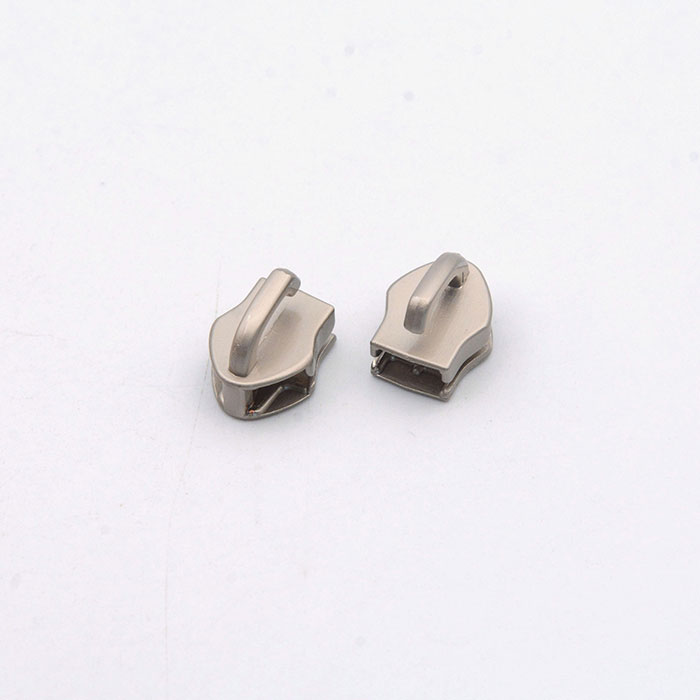
Few things are more annoying than a stuck zipper. Whether it’s on your favorite jacket, backpack, or a pair of jeans, a jammed zipper can turn a simple task into a frustrating challenge. But before you toss the item aside or think about replacing the zipper, take a deep breath — most stuck zippers can be easily fixed at home with just a few simple tools and tricks. With the right approach, you can get your zipper sliding smoothly again in minutes.
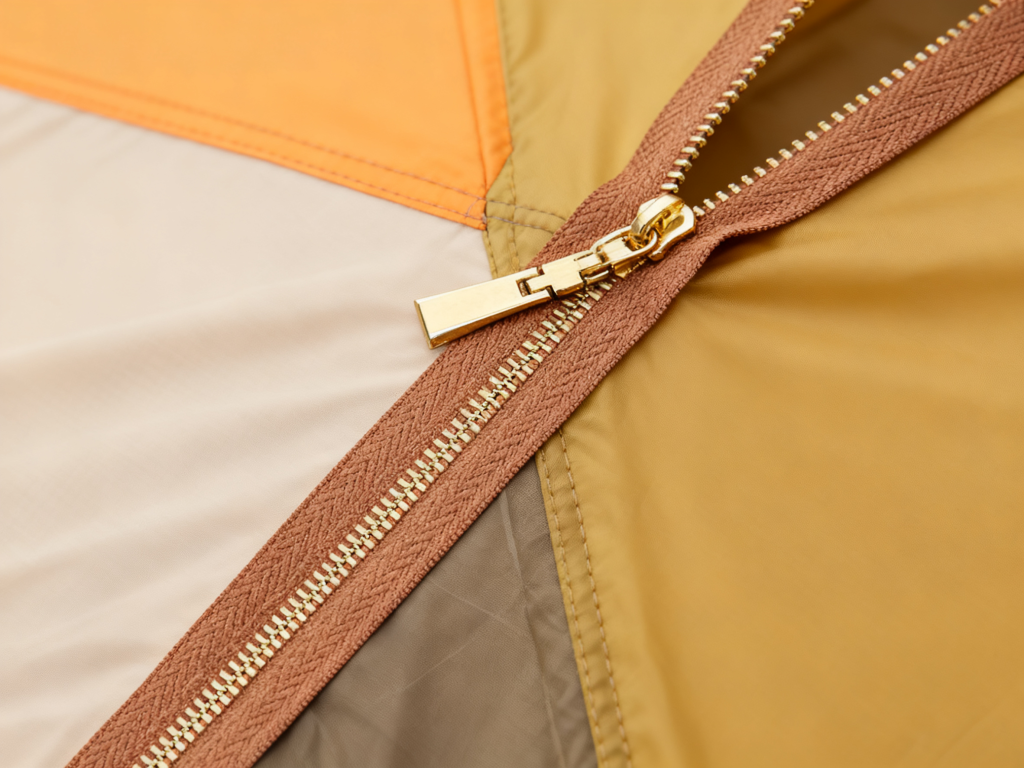
Zippers may seem like simple mechanisms, but they rely on precise alignment between the teeth and the slider. When something interrupts that balance — like fabric caught between the teeth, built-up grime, or a misaligned slider — the zipper can stop moving altogether. Over time, metal zippers may also corrode or rust, while plastic ones can develop friction if not cleaned or lubricated properly. The good news is that these problems are often minor and can be fixed without sewing or professional repair.
Before you start pulling or tugging, it’s important to see what’s causing the jam. Gently examine both sides of the zipper to check whether a piece of fabric, thread, or lint is caught in the slider. If you find something stuck, avoid forcing the zipper — this can bend the teeth or damage the slider. Instead, use a pair of tweezers or a needle to carefully free the obstruction while holding the fabric away from the teeth. Taking your time here can prevent unnecessary damage and make the next steps much easier.
Dirt, dust, or dried residue can make zippers stiff and difficult to move. A simple cleaning can often fix the issue. Use a soft brush (like an old toothbrush) to gently scrub along the zipper teeth. For more stubborn buildup, dampen a cotton swab with mild soap and water and run it along the length of the zipper. Once you’ve cleaned it, let the area dry completely before trying to move the slider. Clean teeth not only help unstick the zipper but also reduce friction for smoother movement in the future.
If cleaning doesn’t do the trick, the zipper might just need a little help to glide smoothly. One of the easiest and safest ways to lubricate a zipper is to rub a graphite pencil along the teeth — the graphite acts as a dry lubricant. You can also use bar soap, candle wax, or lip balm if you prefer. Gently rub the chosen material over both sides of the zipper teeth, especially near the stuck area. Then, move the slider up and down slowly to distribute the lubricant evenly. Avoid using cooking oils or greasy substances, as they can stain fabric and attract dirt.
Sometimes, a zipper gets stuck because one or more teeth are slightly bent out of place. This often happens near the bottom or top ends. To fix this, use needle-nose pliers to gently straighten any bent teeth. Check for gaps or misalignment along the teeth and adjust them carefully. Once everything looks even, try sliding the zipper again. If the slider feels loose and doesn’t close the teeth properly, lightly pinch the slider sides with pliers to tighten its grip — but be gentle to avoid breaking it.
If your zipper still won’t budge, it’s time for a little extra patience. Hold the slider gently but firmly and wiggle it back and forth instead of forcing it in one direction. This rocking motion often loosens whatever is stuck inside the mechanism. If you’ve already cleaned and lubricated the zipper, this step usually helps the slider regain its movement. Once it starts to move, continue sliding it up and down slowly to make sure it glides smoothly along the entire length.
After the zipper is unstuck, give it a few test runs. Zip and unzip it several times to ensure it’s working smoothly. If it still feels rough, reapply a small amount of lubricant or check again for dirt or thread. Keeping the zipper clean and lubricated will prevent it from jamming again in the future. A little maintenance goes a long way — especially for zippers on outdoor gear or heavy-duty clothing that’s exposed to dirt and moisture.
While most zipper issues are easy to fix, sometimes the damage is beyond repair. If the teeth are missing, the slider is broken, or the zipper tape is torn, replacement might be the only option. You can purchase replacement zipper kits online or at craft stores, or have a tailor replace it for you. However, if the zipper itself is still intact, these DIY methods will almost always solve the problem without needing a full replacement.
Regular care ensures your zippers last longer and work better, saving you the hassle of repairs later.
A stuck zipper might seem like the end of the world in the moment, but it’s usually just a minor inconvenience with an easy fix. With a bit of cleaning, lubrication, and gentle realignment, you can restore even the most stubborn zipper to perfect working order in minutes. The best part? You don’t need fancy tools — just a few everyday household items and a little patience.
So the next time a zipper refuses to budge, remember these simple DIY tricks. Instead of giving up on your favorite jacket or bag, you’ll have the satisfaction of fixing it yourself — and keeping it working smoothly for years to come.

Wooshi Zipper showed our high-quality products, including resin zippers with different tooth designs, bright and smooth metal zippers, explosion-proof double-layer nylon zippers, and various innovative zinc alloy zippers, at the Milan LINEAPELLE Exhibition.
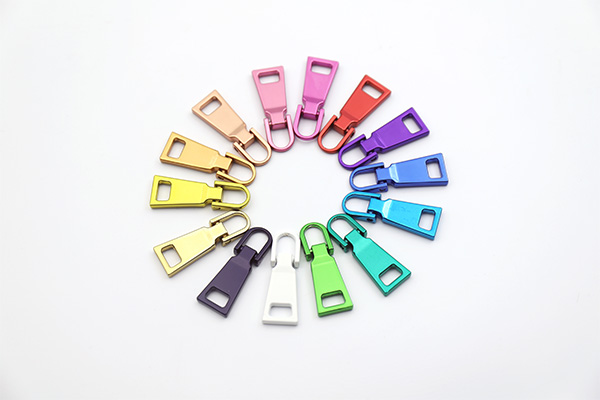
With the continuous development and progress of fashion, rich colors have been widely used in clothing, bags and other aspects. This visual sense of layering and flow can make clothing/bags more lively and interesting, and give them more creativity and possibilities. In order to better serve customers, Wooshi Zipper’s colorful coating slider came into being.
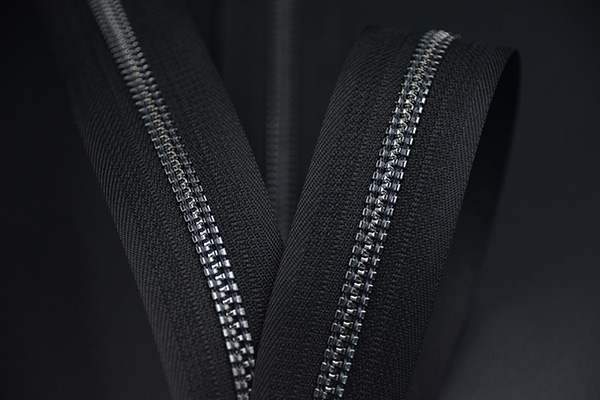
Reinforced zipper is an emerging high-tech zipper. It combines the advantages of nylon zipper, plastic zipper and metal zipper. It is beautiful and durable. It fills the gap of new zipper varieties in my country and is suitable for luggage, clothing, outdoor sports and other fields.
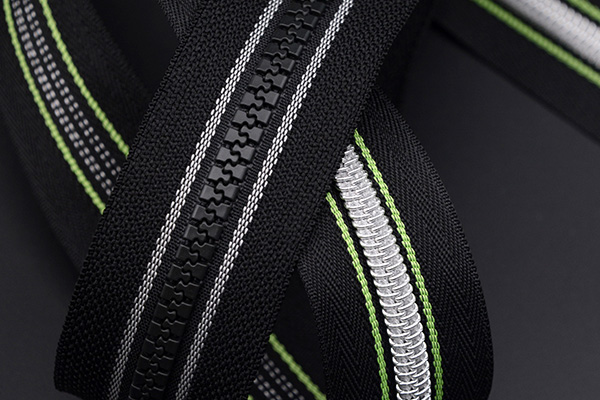
The luminous zippers produced by our company cover three series: nylon luminous zippers, metal luminous zippers, and plastic luminous zippers.
QUICK LINKS