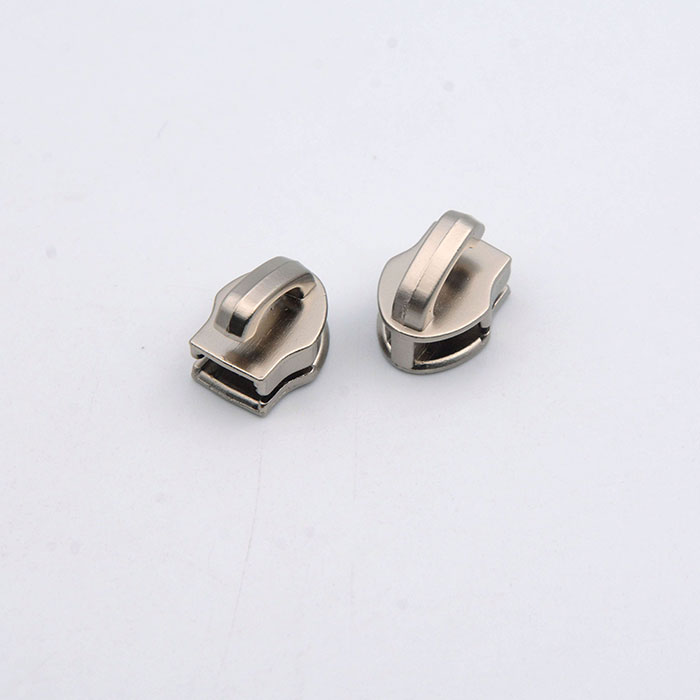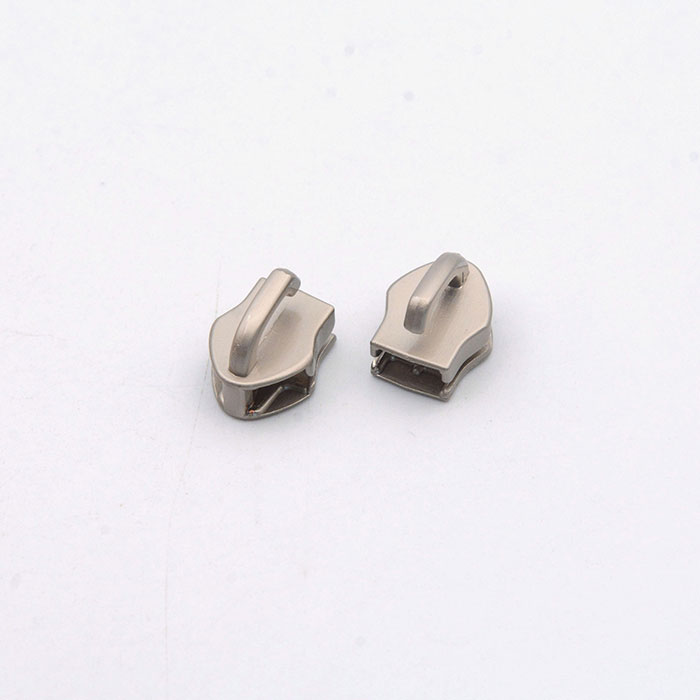
In the world of zippers, plastic options provide remarkable versatility. They are lighter than metal, resistant to corrosion, and available in a variety of styles — from sleek invisible zippers to rugged outdoor-ready models. When looking at a supplier like Wooshi Zipper, you’ll see how wide the plastic zipper category really is. In this article, we’ll look at different types of plastic zippers — covering lightweight, durable, and waterproof options — and how to select the right one for your application.
Plastic zippers are constructed using synthetic resin materials (such as POM – polyoxymethylene, or other durable plastics) instead of metal. The zipper teeth are molded or otherwise formed from plastic or nylon-based components, which gives them benefits like resistance to rust, lighter weight, and greater flexibility in some applications.
According to Wooshi’s product page, their plastic zipper category includes options such as “#5 Black Plastic Zipper for Jacket” and “#5 Imitation Metal Teeth Plastic Zipper.” These highlight the blend of plastic construction with different tooth styles and finishes. When choosing a plastic zipper, you’ll want to consider key factors like its size, tooth style, end type (open/end vs closed/end), coating or waterproofing, and application environment.
For garments, casual bags or light-duty applications, lightweight plastic zippers are often the best choice.
On the Wooshi site you’ll find models like the “#5 Imitation Metal Teeth Plastic Zipper” which deliver the look of metal while retaining the lightness of plastic.
Tip: When sewing in a lightweight zipper, ensure your fabric is stable and you use a zipper foot to keep stitching close and neat. Lightweight zippers shine when the rest of the material is fabric-friendly.
When you need stronger performance — for backpacks, outerwear, or gear that sees repeated stress — a more robust plastic zipper is called for.
One of the listed items is the “#5 Black Plastic Zipper for Jacket” which uses a “trigonal teeth design … more secure structure and smooth operation without jamming.”
Tip: With durable zippers, ensure the slider and tape are equally robust — often a weak tape can undermine a strong tooth set.
For gear exposed to the elements, waterproof or highly water-resistant zippers are essential. Plastic constructions are ideal because they inherently resist corrosion and can be paired with coatings or sealed teeth.
While the specific waterproof models may not be spelled out in the snippet we saw, Wooshi’s standard product statement mentions “various special function zippers … widely used in clothing, bags, outdoor products, home textiles.” It’s a clear signal they support special-function categories such as waterproof zippers.
Tip: For waterproof zippers, pay attention not only to the tooth and tape but also the slider and end stops — if water can sneak in around the slider or ends, the performance will suffer.
Beyond basic categories, there are plastic zippers that serve aesthetic or design-specific roles.
These have the coils concealed behind the fabric so only the pull tab is visible. Very popular in dresses, skirts, pillows and soft home-textile items.
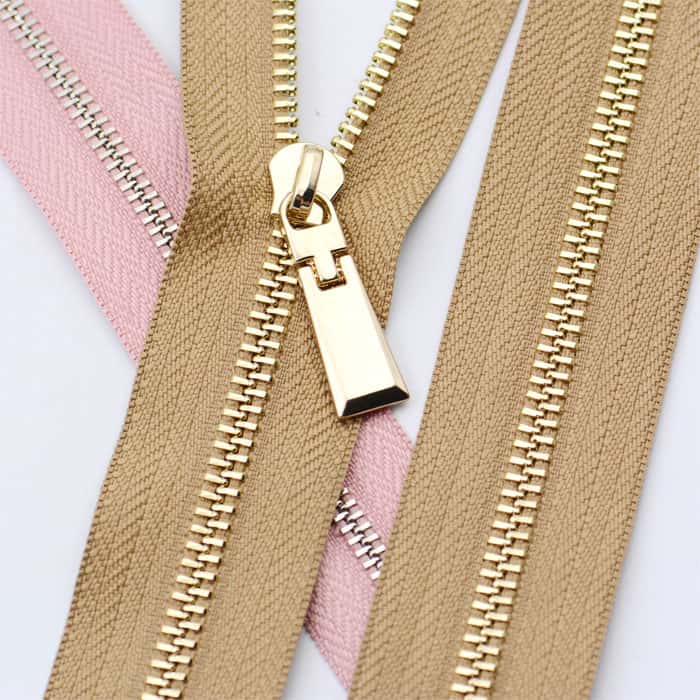
Here, the zipper teeth are plastic but styled and finished to look like metal — giving the appearance of a metal zipper (for fashion or design aesthetic) but retaining the weight and corrosion resistance of plastic.
The “#5 Imitation Metal Teeth Plastic Zipper” is a direct example. These types are great for design-conscious garments or accessories where weight, finish, and performance all matter.
When selecting a plastic zipper, consider the following questions:
Using a supplier like Wooshi Zipper helps because they offer a broad “full range of zipper products … widely used in clothing, bags, outdoor products, home textiles.” Plus, they mention custom support (color, size specs, special function) which is a plus when you have specialized design needs.
Even the best plastic zippers will benefit from care. Because they’re resistant to rust, many of the failure modes of metal zippers don’t apply — but wear, dirt, misalignment and stuck sliders can still occur.
Plastic zippers offer a fantastic combination of light weight, corrosion resistance, design flexibility and durability across a range of applications. Whether your project calls for a lightweight zipper for clothing, a heavy-duty zipper for outdoor gear, or a sealed waterproof zipper for water exposure — the right plastic zipper exists.
By reviewing the offerings from manufacturers like Wooshi Zipper and matching the zipper type to your application (lightweight coil, molded heavy duty, waterproof tape, or aesthetic specialty), you can make an informed choice that supports both performance and design.
If you’re sourcing zippers for your next project — clothing line, luggage accessory, tent or bag — spend time comparing the teeth style, tape construction, slider design, end-use environment and customization options. The plastic zipper you pick will impact the longevity, function and look of your finished product.

Wooshi Zipper showed our high-quality products, including resin zippers with different tooth designs, bright and smooth metal zippers, explosion-proof double-layer nylon zippers, and various innovative zinc alloy zippers, at the Milan LINEAPELLE Exhibition.
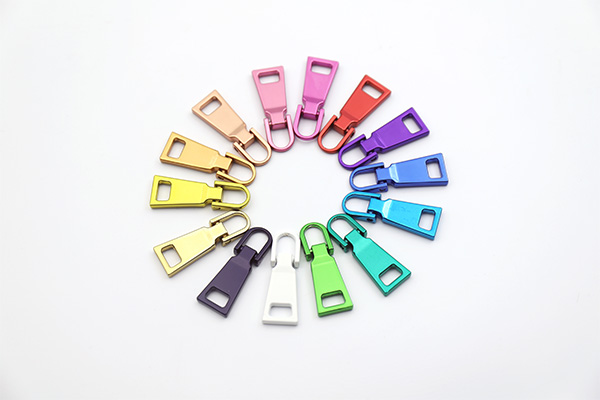
With the continuous development and progress of fashion, rich colors have been widely used in clothing, bags and other aspects. This visual sense of layering and flow can make clothing/bags more lively and interesting, and give them more creativity and possibilities. In order to better serve customers, Wooshi Zipper’s colorful coating slider came into being.
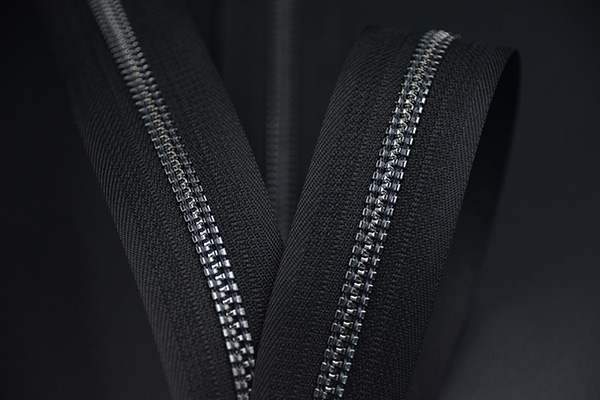
Reinforced zipper is an emerging high-tech zipper. It combines the advantages of nylon zipper, plastic zipper and metal zipper. It is beautiful and durable. It fills the gap of new zipper varieties in my country and is suitable for luggage, clothing, outdoor sports and other fields.
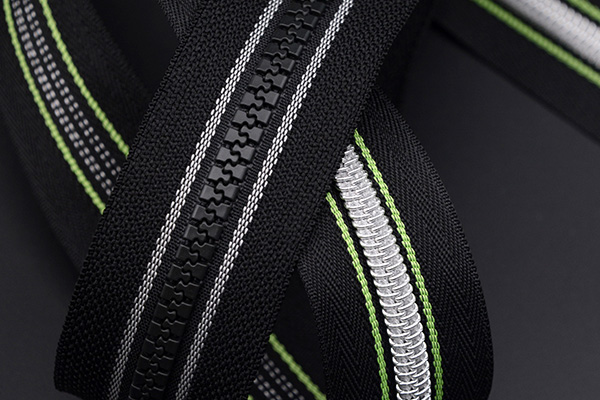
The luminous zippers produced by our company cover three series: nylon luminous zippers, metal luminous zippers, and plastic luminous zippers.
QUICK LINKS