Zippers are everywhere — from clothing and accessories to tents, luggage, and upholstery. Yet, most of us never stop to think about how many different types of zippers exist or why one might work better than another for a specific project. Choosing the right zipper isn’t just about finding one that fits; it’s about ensuring functionality, durability, and even style. Understanding the various zipper types, materials, and designs can help you make smarter choices whether you’re sewing, repairing, or crafting something new.
Selecting the correct zipper can make or break your project. The wrong type might not withstand the stress of daily use, could be too bulky for delicate fabrics, or might not align with the intended design. For example, the zipper on a pair of jeans needs to be sturdy and strong, while one used on a dress should be lightweight and discreet. Similarly, outdoor gear demands zippers that can handle moisture and heavy wear. When you match the zipper type to your project’s purpose, you ensure better performance and longevity — and your finished product looks more professional.
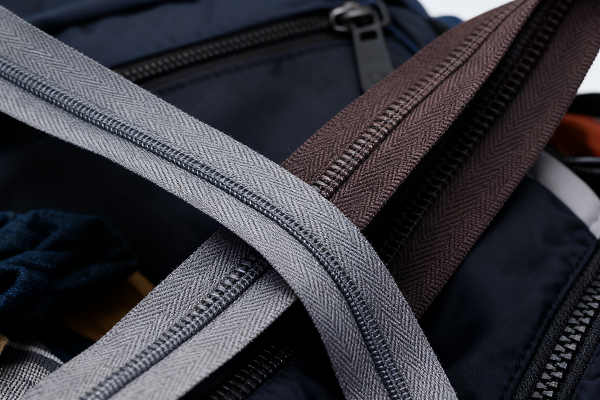
Nylon zippers are among the most widely used and versatile zippers in the world. They are made from coiled nylon filament sewn onto a polyester or nylon tape, resulting in a smooth, flexible, and lightweight zipper. Because the teeth are formed from a continuous coil rather than individual pieces, nylon zippers are less likely to snag or jam compared to other types.
These zippers are especially popular in garments, bags, tents, and upholstery because they are soft, durable, and resistant to rust and corrosion. They also perform well in curved seams and lightweight fabrics where flexibility is key. Nylon zippers are easy to sew into both woven and knit fabrics, which makes them a favorite for dressmakers and manufacturers alike.
Another benefit of nylon zippers is their self-repairing nature — if the zipper accidentally separates, pulling the slider back over the coil often realigns the teeth. They are also available in a wide range of colors and sizes, making them easy to match with any project. Whether you’re designing a jacket, handbag, or cushion cover, nylon zippers offer a dependable and long-lasting fastening solution.
Plastic zippers, also known as molded zippers, feature teeth made from injection-molded plastic. Each tooth is individually molded and securely fused onto the zipper tape. This design creates a sturdy, water-resistant zipper that’s ideal for heavy-duty and outdoor applications. Plastic zippers are commonly found in raincoats, luggage, outdoor gear, and children’s clothing due to their strength, flexibility, and resistance to rust.
Unlike metal zippers, plastic versions do not corrode, making them suitable for environments exposed to moisture or humidity. They also come in vibrant colors and are often used in modern fashion to add a decorative element to garments. The teeth are slightly larger than those of nylon zippers, which provides a distinctive, bold look while maintaining smooth functionality.
One of the main advantages of plastic zippers is their lightweight durability. They can withstand tension without bending or breaking easily. For projects that demand strength without adding excess weight — like backpacks, coats, or sports gear — plastic zippers are an excellent choice.
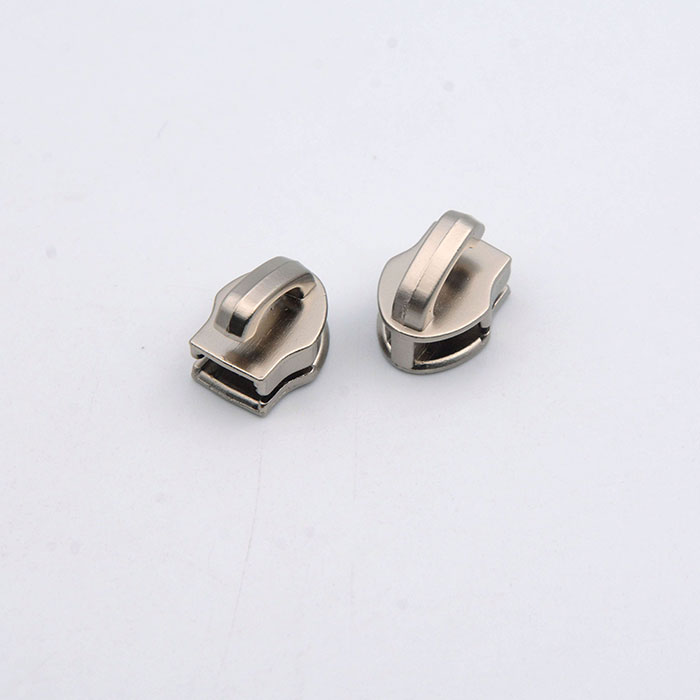
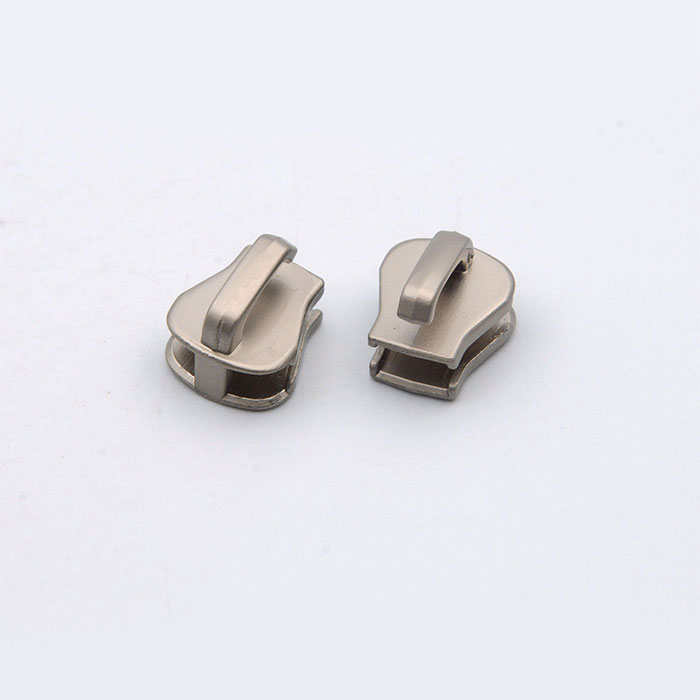
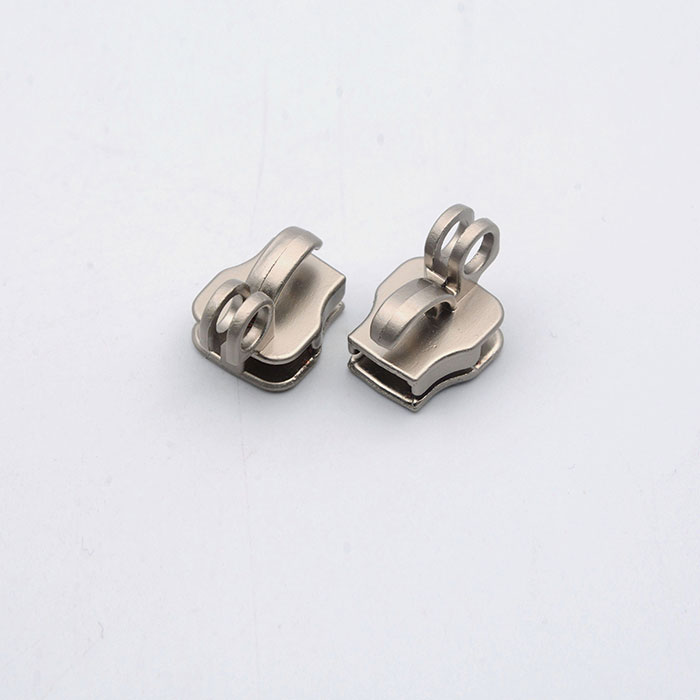
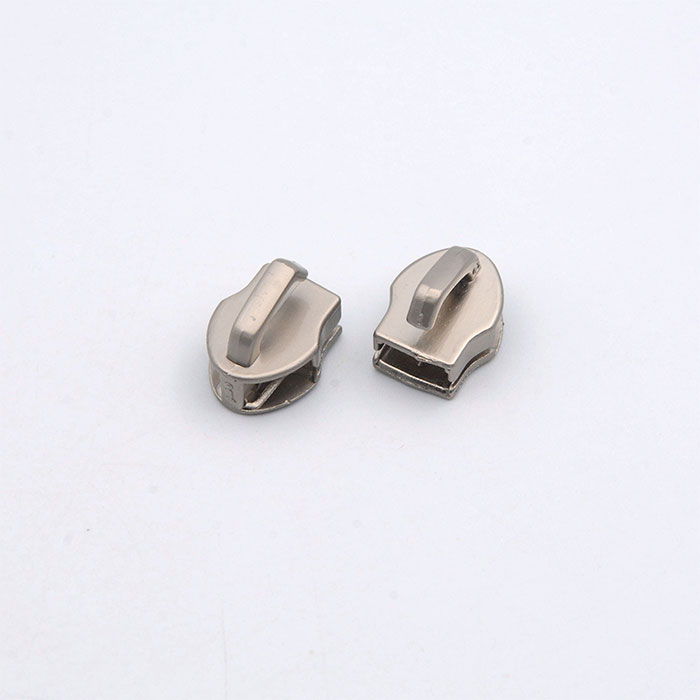
Wooshi’s zipper slider is the moving component that opens and closes the zipper teeth, and it plays a crucial role in how smoothly the zipper functions. Sliders come in various shapes, materials, and locking mechanisms, each suited to specific zipper types.
A standard slider is the most common and is used on clothing, bags, and upholstery. It glides easily along the zipper teeth to bring them together or apart. Auto-lock sliders feature a small locking pin that holds the slider in place until the pull tab is lifted — these are ideal for pants, skirts, and dresses, where you want the zipper to stay closed. Meanwhile, non-locking sliders are used on items like jackets and tents, where easy movement is more important than locking.
Sliders can be made from metal or plastic to match the zipper type and come in many finishes, from matte to polished. The pull tab attached to the slider can also vary in size and design, depending on the application — larger pulls are useful for outdoor gear or gloves, while smaller, decorative pulls are ideal for fashion items. Understanding how to choose the right slider ensures your zipper performs well and matches your project’s style.
For outdoor or sports gear, choosing a waterproof or water-resistant zipper is crucial. These zippers typically feature coated tapes and specially designed teeth or coils that block moisture. They’re essential for rain jackets, tents, and marine bags. The difference between water-resistant and waterproof zippers lies in the degree of protection — water-resistant zippers repel light moisture, while waterproof versions completely seal out water. Although these zippers tend to be more expensive, they are indispensable for projects where weather protection is a priority.
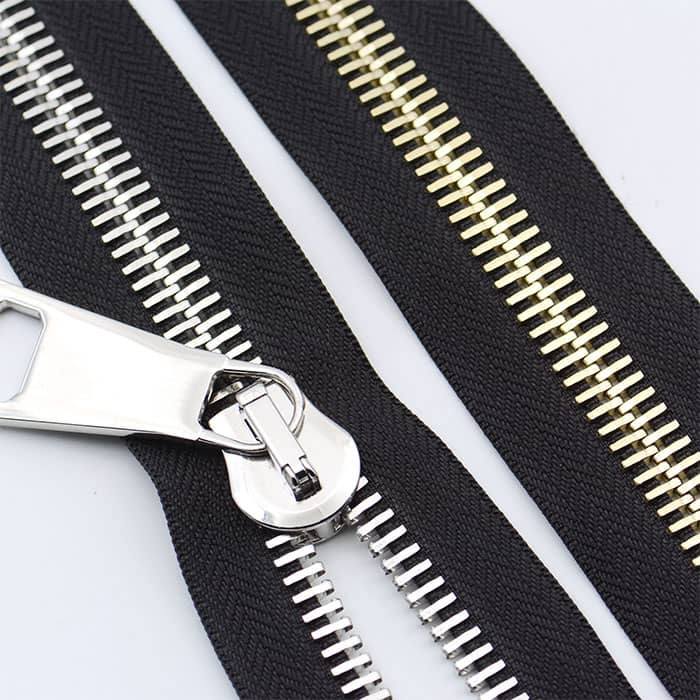
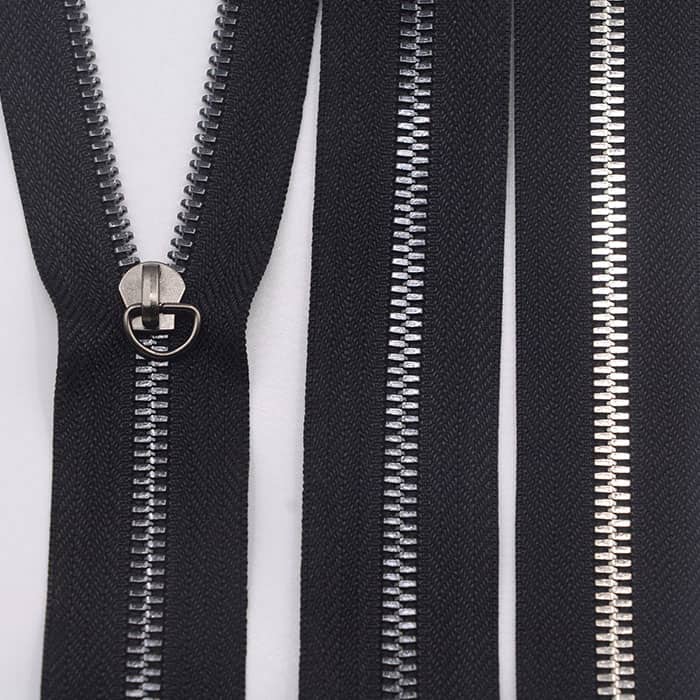
The material of your zipper can affect not only its appearance but also its longevity. Metal zippers offer unmatched strength and durability but may corrode over time if exposed to moisture. Plastic and nylon zippers are lightweight and resistant to rust, making them better suited for outdoor or water-related applications. The choice of material should align with both the function and the environment in which your project will be used. A stylish leather bag, for instance, benefits from a strong metal zipper, while a rain jacket calls for a lightweight, waterproof option.
Zippers come in various sizes, typically indicated by a number that corresponds to the width of the teeth in millimeters. A size 3 zipper is light and delicate, suitable for dresses or cushions, while a size 10 zipper is heavy-duty and perfect for tents or luggage. Selecting the right size ensures smooth operation and durability. A zipper that’s too small for a heavy fabric may split or jam, while one that’s too large may appear bulky or distort the design. Balancing size, strength, and aesthetics is key to a successful finish.
Beyond function, zippers can play an important role in design aesthetics. The color, finish, and visibility of the zipper can add personality to a garment or accessory. Designers often use exposed zippers to make a bold fashion statement, while concealed zippers create a refined, minimalist look. Matching or contrasting zipper tape with fabric color can enhance the overall appearance of your project. Considering the visual element ensures your zipper complements the final design rather than distracting from it.
Zippers are more than just fasteners; they’re essential design elements that blend form and function. Whether you choose a nylon zipper for its flexibility, a plastic zipper for its durability, or a metal zipper for its strength and sophistication, understanding their differences helps you make better design choices. Complementing your selection with quality sliders and accessories ensures your zipper operates smoothly and enhances your final product. From everyday clothing to specialized gear, the right zipper can elevate your project from ordinary to exceptional — combining performance, beauty, and reliability in one simple mechanism.

Wooshi Zipper showed our high-quality products, including resin zippers with different tooth designs, bright and smooth metal zippers, explosion-proof double-layer nylon zippers, and various innovative zinc alloy zippers, at the Milan LINEAPELLE Exhibition.
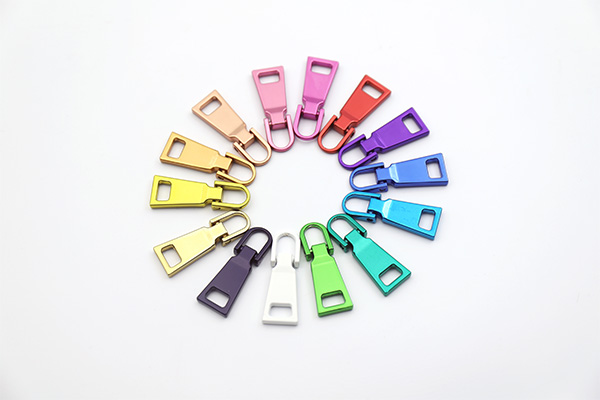
With the continuous development and progress of fashion, rich colors have been widely used in clothing, bags and other aspects. This visual sense of layering and flow can make clothing/bags more lively and interesting, and give them more creativity and possibilities. In order to better serve customers, Wooshi Zipper’s colorful coating slider came into being.
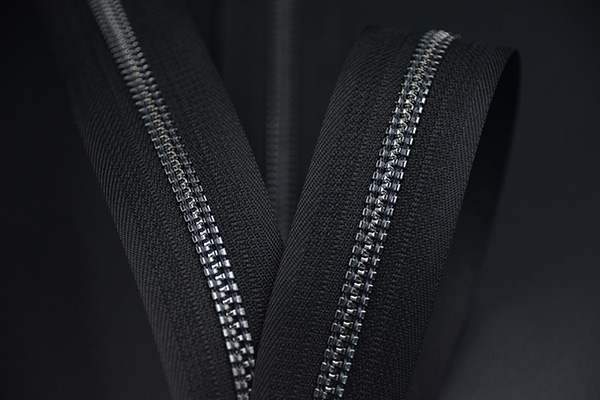
Reinforced zipper is an emerging high-tech zipper. It combines the advantages of nylon zipper, plastic zipper and metal zipper. It is beautiful and durable. It fills the gap of new zipper varieties in my country and is suitable for luggage, clothing, outdoor sports and other fields.
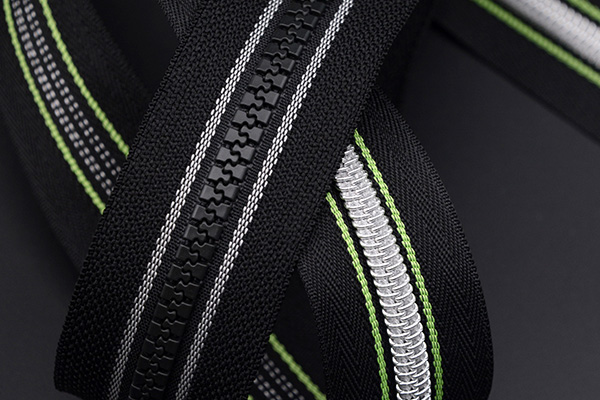
The luminous zippers produced by our company cover three series: nylon luminous zippers, metal luminous zippers, and plastic luminous zippers.
QUICK LINKS